System choices · West Bengal
On-grid or hybrid solar in Siliguri: which do you need?
Understand power cuts, battery backup and selected loads before choosing solar for your Siliguri home.
The short answer
On-grid solar can reduce grid use while sunlight is available, but stops in a power cut. If backup matters, ask for a suitable hybrid system with a battery and a written list of supported appliances.[6]
Start with your local electricity connection
For a home in Siliguri or elsewhere in West Bengal, first check the distributor named on your bill. WBSEDCL publishes its rooftop solar application process.[1] If another distributor supplies your home, ask that provider. Your address alone does not confirm approval, metering terms or scheme eligibility.
What on-grid solar does
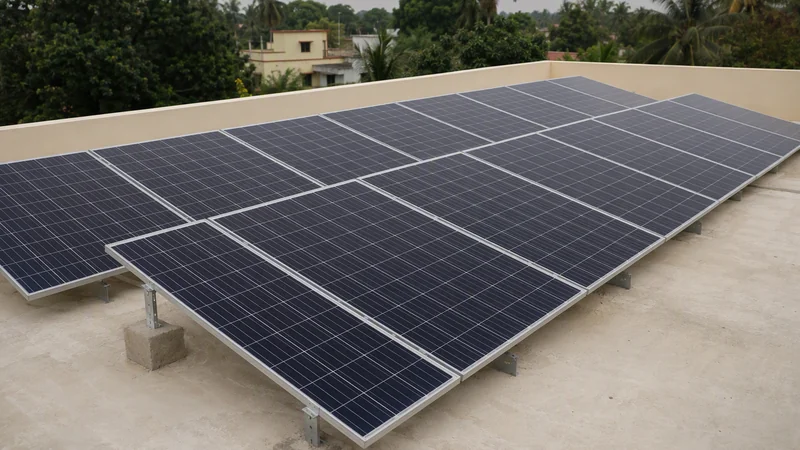
Panels produce electricity from sunlight. The inverter converts their direct-current output into alternating current for the building.[6] With an approved grid-connected arrangement, the building can use solar and draw electricity from the grid when needed. Ask your electricity distributor how imports and exports will be metered and billed. Do not assume exported electricity has the same value as electricity you buy.
Why a sunny day does not guarantee backup
Standard grid-connected solar is designed to switch off when grid power fails, for safety.[6] Panels on the roof therefore do not prove that lights, fans or machinery will work during a cut. Ask the installer to state outage behaviour explicitly in the proposal.
What a hybrid proposal must explain
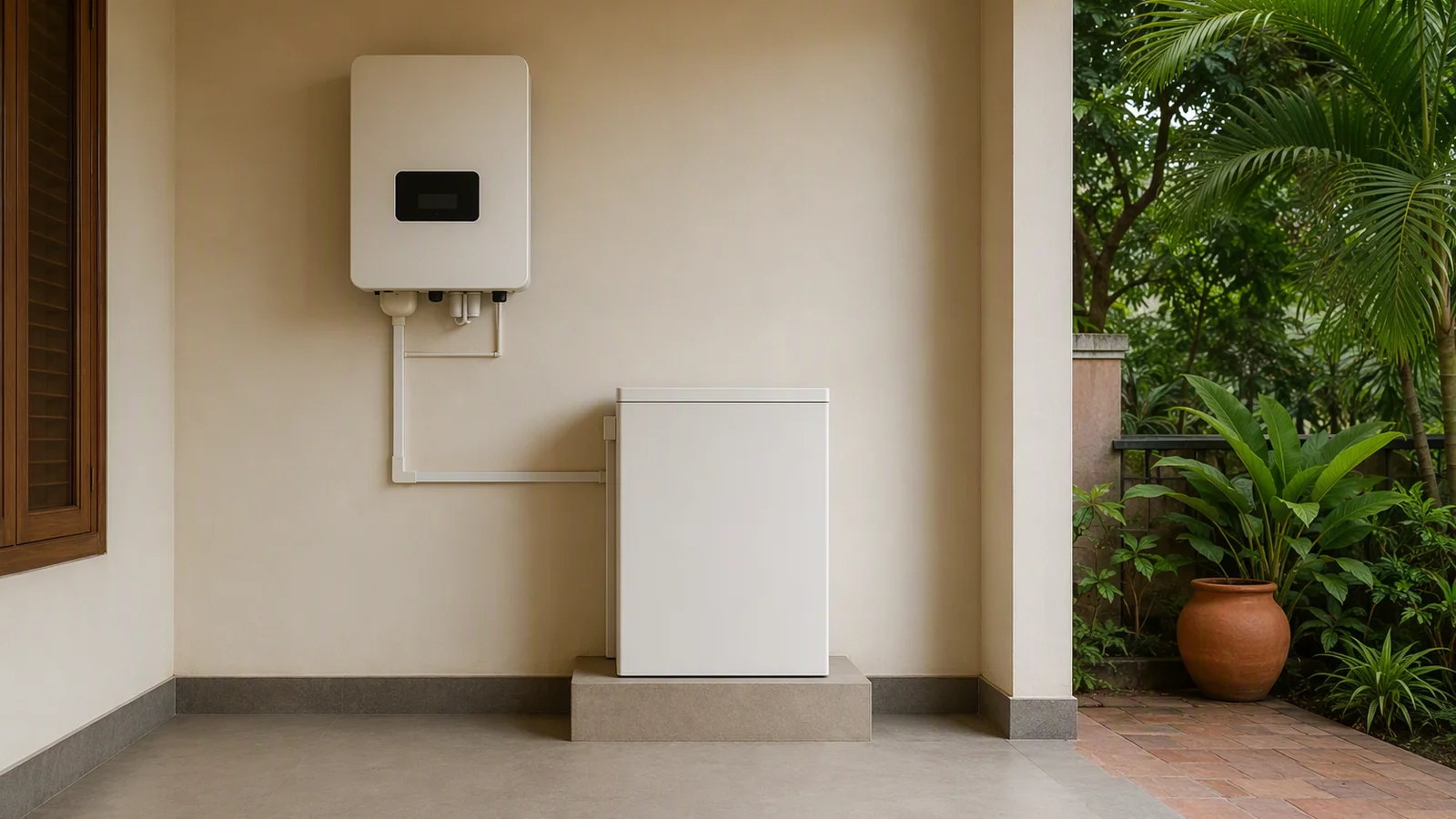
For backup, the inverter, storage and controls must work together.[6] Ask which circuits can run, how much power they can draw and how the installation separates from the grid during an outage. Request an explanation of battery charge limits, usable energy and the conditions behind any runtime estimate. The word hybrid alone answers none of these questions.
Choose essential loads first
Make a list of the appliances that must stay on. Separate lights, fans and communications from heavier loads such as pumps or air conditioners. For a business, ask the facilities team to identify critical circuits. Give the designer equipment ratings and typical outage duration. Do not assume a backup system sized for a few rooms can run the whole building.
Thinking through a household backup brief? Explore home-backup design considerations
Compare ownership costs, not labels
Ask for separate equipment and installation costs, warranty conditions, maintenance responsibilities and possible battery replacement costs. Electricity savings depend on consumption, generation and tariff treatment.[5] Do not accept a fixed payback claim without the inputs and assumptions used to calculate it.
Check upgrades and existing equipment
Tell the designer about existing inverters, batteries, generators and solar panels. Ask whether proposed equipment can work with them and what electrical changes are required. If storage may be added later, get compatibility requirements in writing now. Do not assume an on-grid system can accept any battery.
Bring two lists to the survey
Bring your normal electricity-use information and your outage-load list. Ask for a proposal that distinguishes solar generation, backup scope and grid approvals. For hospitals or other critical facilities, treat continuity of supply as a separate engineering requirement, not a benefit implied by rooftop solar.
Common questions
Will on-grid solar work during a power cut?
A standard on-grid system shuts down during a grid outage. Backup needs a suitably configured system; panels alone are not enough.[6]
Does hybrid solar provide unlimited backup?
No. Ask for supported loads and estimated duration under stated conditions. Battery charge, usable storage and demand must be considered.
Must every solar buyer buy a battery?
No. First decide whether storage or outage backup is needed. Compare that requirement separately from the case for solar generation.
Can I assume batteries qualify for the household subsidy?
No. Check the applicable scheme and approved equipment requirements before treating any battery or backup cost as subsidised.
Sources and checks
- [6] U.S. Department of Energy: Solar and Resilience Basics — general technical principles, not Indian approval rules
- [5] U.S. Department of Energy: Homeowner's Guide to Solar — consumption, generation and cost considerations
- [1] WBSEDCL: rooftop solar application process — for WBSEDCL consumers
Confirm current utility and scheme rules before purchase.
General technical references are not West Bengal approval rules.
Your next step
Check your home solar fit
Costs and planning
Solar panel cost in Siliguri: what should a quote include?