
Business solar · West Bengal
Commercial solar in Siliguri: assess the site before the business case
A practical solar planning guide for Siliguri businesses covering daytime demand, actual tariffs, roof rights, demand charges and proposal checks.
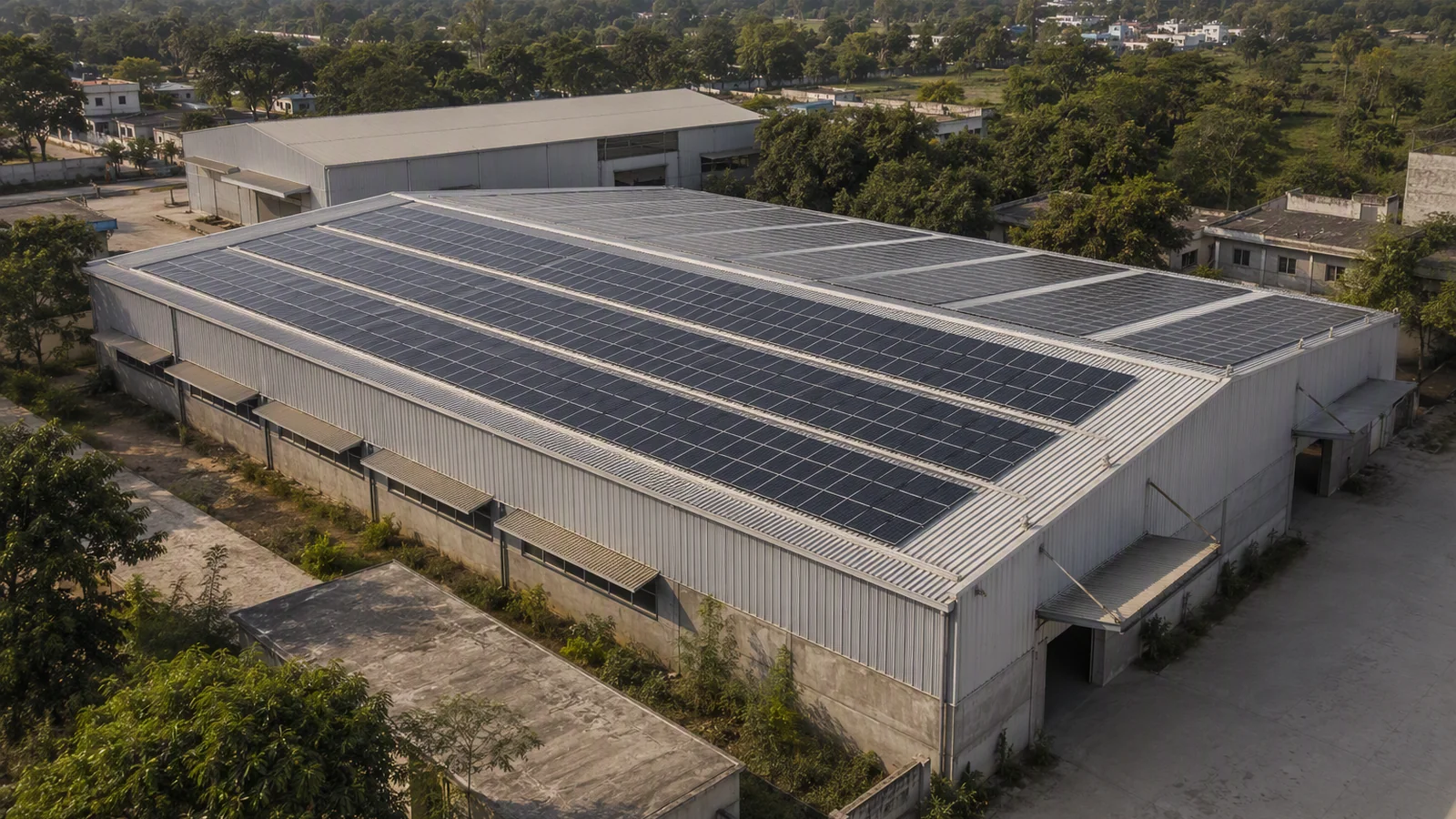
The short answer
A commercial solar proposal in Siliguri should start with actual electricity records, operating hours, tariff details and roof rights. Assess daytime and night use separately, check demand charges and exclude household subsidy assumptions from the business case.
Build a load picture for the business
Collect bills showing actual kWh, tariff category, sanctioned load and recorded demand where available. Add operating hours, holidays, seasonal closures and shift patterns. Share interval consumption records if you have them. An office, shop, hotel or workshop in Siliguri should be assessed on its own electricity use, not assigned a standard package because another business installed one.
Separate daytime demand from night use
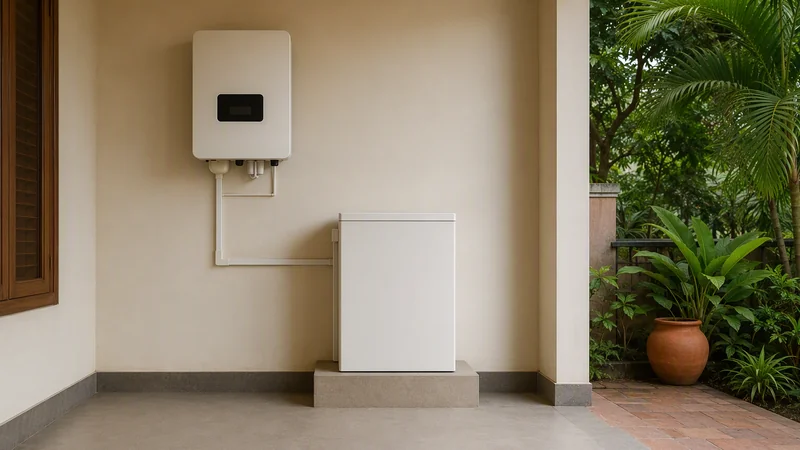
Identify equipment that runs during daylight and equipment that mainly runs after dark. Note refrigeration, pumps, cooling, machinery and any loads that cycle rather than run continuously. Ask the proposal to distinguish direct solar use, grid imports and possible exports. For night-heavy operations, require an explanation of how the proposed design matches that pattern without assuming storage is automatically worthwhile.
For another way to think about daytime operations, explore the warehouse solar planning brief
Use the actual commercial tariff
Ask the assessor to work from the tariff and charges on your business connection. Have energy charges, demand charges and other bill items shown separately. Require a clear explanation of which charges the model assumes will change and why. Do not assume solar removes demand charges or every fixed bill component. Exclude household subsidy assumptions from the commercial assessment.
Treat the roof as a separate decision
Roof condition, available space and shade are relevant technical considerations in solar planning.[2] That source provides general guidance, not commercial approval rules for West Bengal. For your premises, establish ownership, lease permissions, access and planned repairs. Ask qualified professionals to review structural suitability, drainage and installation methods. Include roof replacement plans and business access restrictions before approving a layout.
Assign utility and site responsibilities
WBSEDCL publishes rooftop solar application information for its consumers.[1] Confirm the distributor serving the premises and obtain the process applicable to the actual commercial connection. Record who handles applications, metering coordination and inspections. Agree any electrical shutdown with the site manager. Keep generator operation, critical loads and outage backup as explicit engineering questions rather than assumed benefits of solar panels.
Ask for a transparent investment comparison
Request the equipment schedule, installation scope, roof work, electrical changes, maintenance responsibilities and exclusions. Any financial model should identify its tariff inputs, consumption data and energy-estimate assumptions. Ask what happens if operating hours change or the premises are vacated. Request an equipment and workmanship warranty split, fault-reporting process and handover records. Avoid approving a proposal solely on a headline savings or payback claim.
Ready to organise the next discussion? Explore business solar assessment
Common questions
Can a tenant business consider rooftop solar?
Start by confirming written roof rights and landlord permissions. Align the proposal with lease terms, access arrangements and responsibility for removal or roof repairs. Do not assume occupation gives permission to install.
Will solar remove the demand charge?
Do not assume so. Ask for an assessment using the actual tariff, demand records and operating pattern. Require any projected change to that charge to be explained separately from energy use.
What should a business bring to a survey?
Bring electricity records, operating schedules, roof ownership or lease information, and a list of existing generators or backup equipment. Nominate someone who understands site operations and can explain planned changes.
Sources and checks
- [1] WBSEDCL: rooftop solar application information for utility consumers
- [2] U.S. Department of Energy: Homeowner's Guide to Solar — general technical roof considerations only; not West Bengal commercial tariffs or regulations
Confirm current utility and scheme rules before purchase.
General technical references are not West Bengal approval rules.
Your next step
Check your business site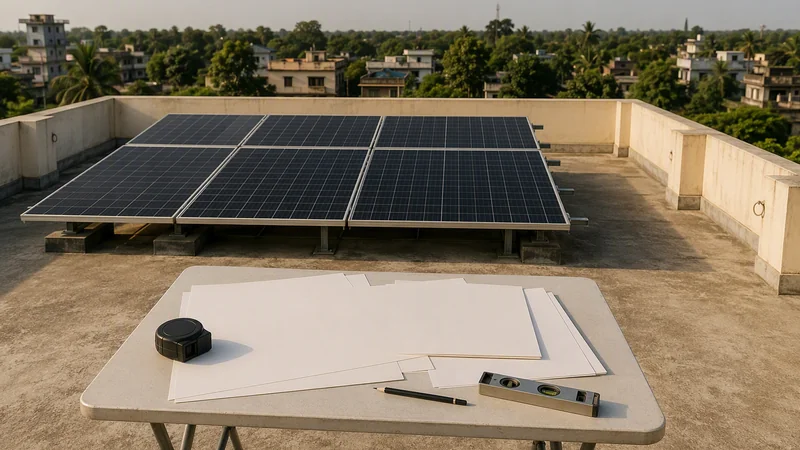
Planning solar
Rooftop solar survey checklist for West Bengal homes
System choices